
Expand Your Fleet with Charter Bus Fleet Loans
- Ramon

- Aug 3
- 5 min read
Updated: 2 days ago
Quick answer
Motorcoach and charter bus financing can be structured around the borrower, vehicle and business use. Credit, time in business, cash flow, vehicle age and mileage, requested amount and down payment can all affect eligibility, rate and term. Final approval and pricing are subject to lender underwriting.
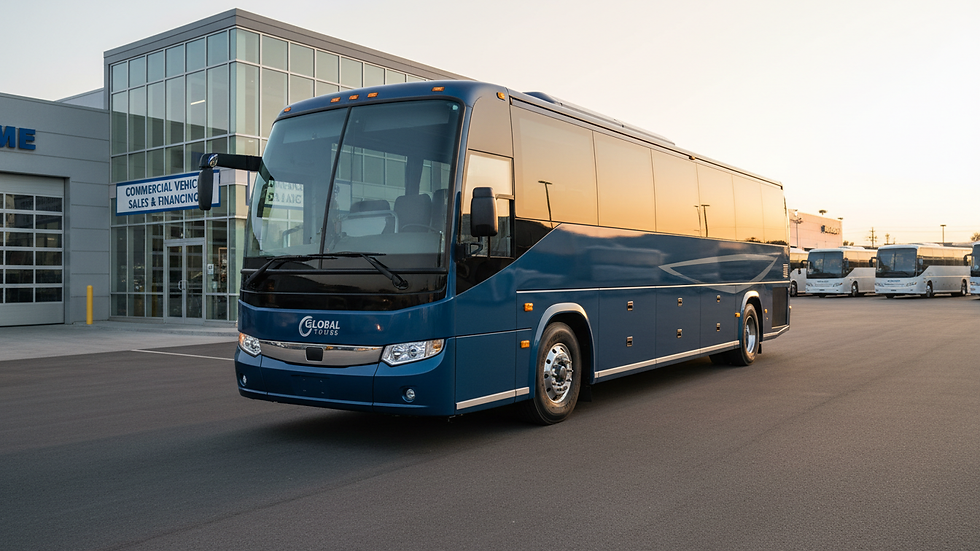
Growing a passenger transportation business requires more than just operational expertise. One of the most critical factors is having the right vehicles to meet demand. Whether you operate charter buses, shuttle vans, or motorcoaches, expanding your fleet strategically can unlock new revenue streams and improve service quality. However, acquiring new vehicles often means navigating complex financing options. That’s where charter bus fleet loans come into play.
In this post, I’ll share practical insights on how to leverage financing solutions tailored specifically for commercial passenger vehicles. I’ll cover the types of loans available, key considerations when applying, and how to align financing with your business goals. My aim is to provide clear, actionable guidance that helps you make informed decisions and grow your fleet with confidence.
Understanding Charter Bus Fleet Loans: What You Need to Know
When it comes to expanding your fleet, traditional bank loans often fall short. They may have rigid credit requirements, slow approval processes, and limited understanding of the passenger transportation industry. Charter bus fleet loans, on the other hand, are designed with your unique needs in mind.
These loans typically offer:
Flexible credit criteria that accommodate startups and operators with challenged credit.
Faster approval times to minimize downtime between vehicle acquisition and deployment.
Tailored loan terms that match the lifespan and usage patterns of commercial buses and vans.
Options for both new and used vehicles, allowing you to balance cost and quality.
For example, a shuttle company looking to add sprinter vans to its fleet can find financing programs that consider the vehicle’s commercial use and expected revenue generation. This approach contrasts with generic vehicle loans that treat the purchase like a personal car loan.
How to Choose the Right Financing Option for Your Fleet Expansion
Selecting the right financing solution requires a clear understanding of your business’s financial health, growth plans, and operational needs. Here are some practical steps to guide your decision:
Assess Your Current Fleet and Growth Goals
Identify which vehicles you need to add and why. Are you expanding routes, increasing capacity, or replacing aging units? This clarity helps determine loan amounts and terms.
Evaluate Your Credit Profile and Financial Statements
Lenders will review your credit history, cash flow, and business performance. Knowing your financial standing helps you target lenders who specialize in commercial vehicle financing.
Compare Loan Structures
Look at interest rates, repayment periods, down payment requirements, and any fees. Some lenders offer lease-to-own options or balloon payments that might better suit your cash flow.
Consider Industry Expertise
Work with lenders who understand passenger transportation. They can provide guidance on vehicle eligibility, documentation, and realistic financing expectations.
Plan for Maintenance and Operating Costs
Financing the vehicle is just one part of the equation. Budget for insurance, maintenance, and driver training to ensure your new fleet assets remain profitable.
By following these steps, you can avoid surprises and secure financing that supports sustainable growth.
The Application Process: What to Expect and How to Prepare
Applying for charter bus fleet loans is more straightforward when you know what lenders expect. Here’s a breakdown of the typical process and tips to streamline your application:
Pre-qualification
Many lenders offer pre-qualification with a soft credit check. This step gives you an idea of loan terms without impacting your credit score.
Documentation
Prepare essential documents such as business tax returns, financial statements, vehicle quotes or invoices, and proof of insurance. Having these ready speeds up approval.
Loan Proposal
Clearly outline your financing needs, including the number and type of vehicles, purchase price, and intended use. Transparency builds trust with lenders.
Approval and Funding
Once approved, funds are usually disbursed directly to the dealer or seller. This ensures the money is used as intended and protects both parties.
Post-Funding Support
Some lenders provide ongoing account management and flexible payment options. Choose a partner who offers support beyond the initial loan.
Understanding this process helps you avoid delays and positions you as a credible borrower.

Financing Strategies for Different Types of Passenger Vehicles
Not all passenger vehicles are financed the same way. Here’s how financing can vary across common fleet types:
Charter Buses and Motorcoaches
These are high-value assets with longer lifespans. Loans often have longer terms (up to 7 years) and may require detailed maintenance plans.
Shuttle Buses and Sprinter Vans
Smaller vehicles with shorter replacement cycles. Financing may include lease options or shorter loan terms to match operational turnover.
Minibuses and Specialty Vehicles
These may require customized financing due to modifications or specialized equipment. Lenders familiar with these vehicles can offer tailored solutions.
Used vs. New Vehicles
Financing used vehicles can be more challenging but is often more affordable. Some lenders specialize in used fleet financing and can offer competitive rates.
By aligning your financing strategy with the vehicle type, you optimize cash flow and asset management.
Building a Long-Term Financing Partnership for Fleet Growth
Expanding your fleet is not a one-time event but an ongoing process. Establishing a relationship with a financing partner who understands your industry can provide significant advantages:
Faster Approvals for Future Purchases
A trusted lender familiar with your business can expedite subsequent loan applications.
Access to Industry Insights
Financing partners often share market trends, vehicle availability, and regulatory updates that impact your fleet.
Customized Financing Programs
Over time, lenders may offer programs tailored to your growth trajectory, including startup-friendly options or credit rebuilding plans.
Support for Dealer Relationships
Financing partners can help you close deals faster by working directly with bus dealers and providing clear expectations.
For example, a university transportation department expanding its shuttle fleet can benefit from a financing partner who understands public sector procurement and budget cycles.
Taking the Next Step in Fleet Expansion
Expanding your fleet with the right financing is a strategic move that can position your business for long-term success. By understanding the nuances of charter bus fleet loans and working with knowledgeable lenders, you reduce risks and improve your ability to serve customers effectively.
If you’re ready to explore financing options, consider visiting the Charter Bus Financing resource page. It offers detailed information on loan programs, application processes, and industry-specific guidance designed to help you grow your fleet with confidence.
Remember, the key to successful fleet expansion lies in clear expectations, practical planning, and partnering with experts who understand the passenger transportation market. With the right approach, your fleet can become a powerful asset that drives your business forward.
Talk with Ramon Diaz
Discuss your bus or commercial fleet financing request with Ramon Diaz at 214-283-5658 or rdiaz@cffnationwide.com. Financing is subject to credit review, lender requirements and final underwriting approval.


Comments